
Understanding the Difference Between Result History and Live Updates
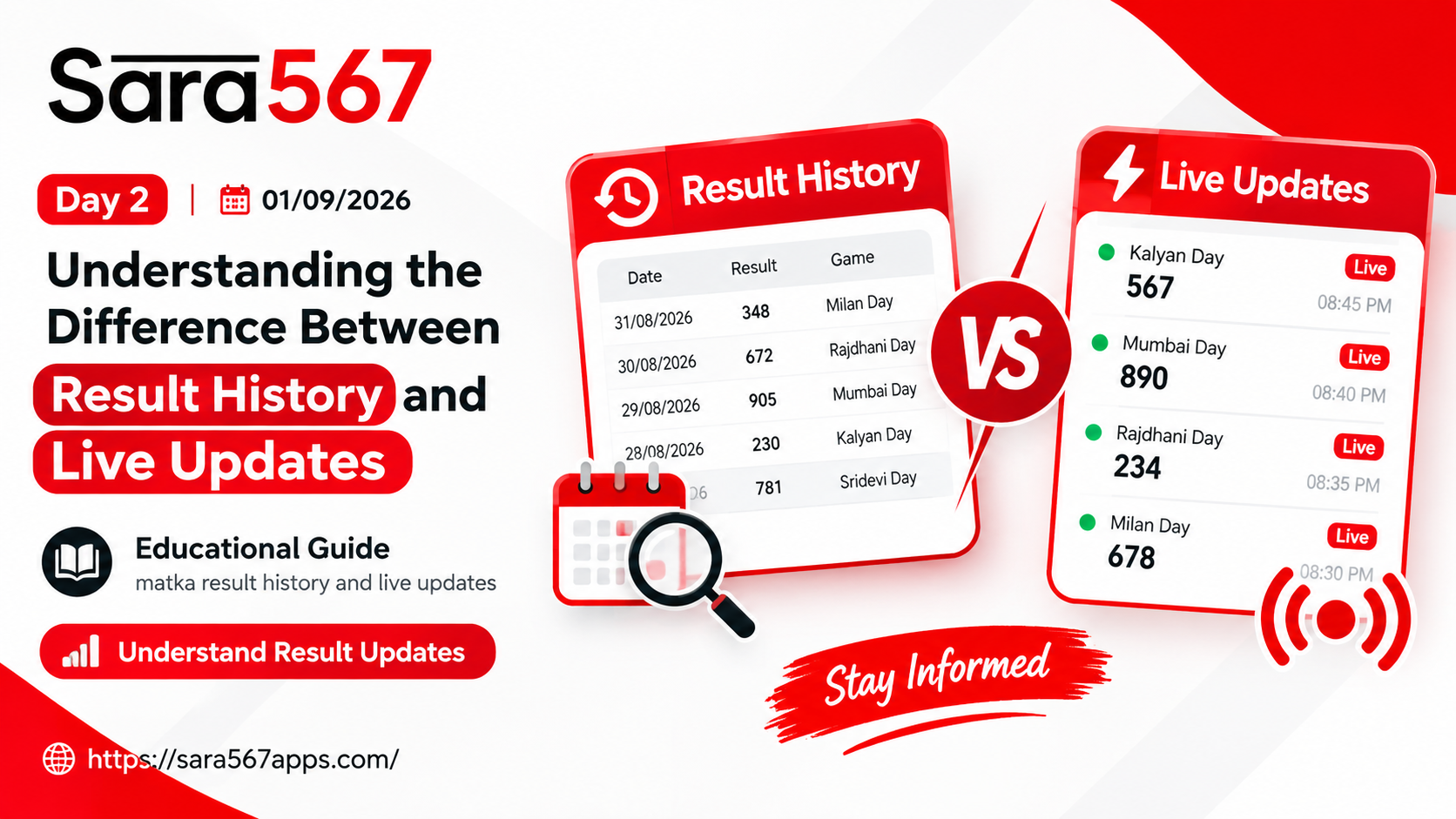
If they visit online portals for results and dashboards or information hubs, people often come across two types of information such as Result history and live updates. Both provide useful information however, blending past data by comparing live updates to misinterpretations, misunderstandings or even excessive confusion.
If you're looking through the archived data or following current announcements, knowing how both formats differ and the importance of timestamps for reading information accurately and responsible.
This complete guide explains the difference between live and historical updates look like, and outlines the major differences as well as offers tips for how to read the information on results with care and discretion.
What Is Result History?
The term "Result History" refers to earlier published entries, old entries or archived information that are already finalized and documenting. After a certain occasion, draw or announcement has concluded the final numbers will be incorporated into an historical archives or database.
Key Characteristics of Result History:
- Static Nature: Records from the past don't change after being they are verified and released.
- Archival Use: They act as a logical log, or reference library to help you find historical activities.
- Long-Term Reference: Users refer to historical results for a review of results, trends or to keep a general record of the course of days, weeks or even months.
In this case, for instance, reviewing a published result the day before, in the week preceding or even last month comes in the category of reviewing history of results.
What Are Live Updates?
Live Updates are real-time or near-real time information that's continuously being processed, updated or recently released. They keep the users updated of current developments in the moment they occur or shortly upon the conclusion of their events.
Key Characteristics of Live Updates:
- The dynamic nature of live updates can update automatically or manually frequently.
- The focus is especially on what's happening today or on what was revealed just a few minutes back.
- Timestamped Updates that are live are supported by instant timing markers that indicate when the update was made or was last updated.
If a website displays the status message like "Updating ...", "Pending ...", or displays a report that has a time stamp from only an hour from now, you're viewing an update that is live.
Historical Result in comparison to. Live Updates Important differences
In order to help you distinguish between real-time archives and historical feeds, here's an easy comparison side-by-side:
| Feature | Result History | Live Updates |
|---|---|---|
| Primary Purpose | Record-keeping for the past and long-term. | Real-time information delivery |
| Type of Information | Complete, verified and archives of records | Updates on ongoing, recently released or updated status information |
| Time Relevance | Previous events (yesterday and last week previous months) | Right now or immediately release |
| Update Frequency | Fixed/Static (rarely altered in the months following publication) | Dynamic/Frequent (refreshed frequently or continuously) |
| Primary Use Case | Verifying historical records or reviewing the authenticity of records from the past | Inquiring about current status, or newly published results |
| Importance of Timestamps | It confirms the precise date/time of an event that has occurred in the past. | Verifies the precise hour/minute of the current release |
Why Timestamps Matter
One of the most important components in reading digital data is the time stamp. The timestamp is a way to determine the exact year, day and minute that an post was made or changed.
Why You Should Always Check Timestamps:
- Helps Avoid Confusion: Looking over unpublished records can create the illusion that old data is new.
- Verify the freshness of your page: Timestamps ensure you are seeing the most recent version not an outdated or cached page.
- Verifies Context: A report with the label "10:00 AM" is only beneficial if you are able to determine whether the result is for today or a date in the past.
Always search for specific dates (e.g. 01/09/2026) as well as time markers (e.g. 04:30 PM in the IST time zone) with any results that are displayed.
How to Review Result Information Responsibly
Making sure you understand the results of your online search will ensure that you don't trust outdated or incorrect data. Take these steps every time you use result-based platforms:
- Verify the Date first: Check that the date you see is the same as the particular time period or session you're searching for.
- Check for active indicators: Check if the platform labels the feed as "Live," "Scheduled," or "Archived."
- Verify the Source: Make sure that you're accessing data that is reliable, clear and up-to-date platforms such as ShreeMatka.app.
- Cross-Reference Timestamps: Verify that the date was when the site most recently refreshed or last updated by the original source.
- Do not make assumptions based on speed: When an update that is live appears to be incomplete or being refreshed you should wait until the next publication instead of thinking that the that the values of a temporary update are definitive.
Common Misunderstandings
- Making the mistake of confusing cached pages with live Data: Sometimes, browsers keep an earlier version of the web webpage (cache). If you don't update the webpage, you could think that you are seeing yesterday's history as a live version.
- Not paying attention to Timezones and Date Headers: The assumption that a number displayed will be applicable to the present session, without checking the header with the date can lead to mistakes in interpretation.
- Consider Drafts or Pending Statuses as final results: During live coverage, the platforms could have status indicators that are temporary. They should not be mistaken with historical entries that have been finalized up until the moment they are marked as to be complete.
Conclusion
The result history as well as live updates have distinct, valuable functions in the management of information. The result history provides a complete and permanent archive of past references, whereas Live Updates keep you informed on the latest announcements as they occur.
Paying attentively to dates, observing timestamps regularly, and trusting reliable platforms, you will be able to get the most information from your results precisely, with precision and with a sense of responsibility.
Frequently Asked Questions (FAQs)
1. What's the biggest distinction between results the history of updates and those that are live?
Results history is comprised of completed static data from previous events that are used as a informational purposes. Live updates give you current in real-time, or recently released details about the current event.
2. What can I do to determine if the information on results is outdated or just recently revised?
Find the date of publication and timestamp that accompany the information. Live updates usually show the current date, along with the most recent indications of time, whereas historic data pertains to previous dates.
3. When should I look up timestamps while looking through outcomes?
Timestamps provide exact dates for when data was first published or last edited to help you avoid confusion old archived data with the latest versions.
4. Can historical result records change after publication?
Generally, no. After a report is confirmed and recorded in the history books and is deemed to be valid, it will remain in effect until an official correction is published by the source of publication.
5. What can I do when a live update is slow or incomplete?
Refresh your web browser's page to erase any cached information Make sure you double-check your schedule for updates, then just wait for the website to show a definitive timestamp.