
The Complete History of Satta Matka
The Complete History of Satta Matka
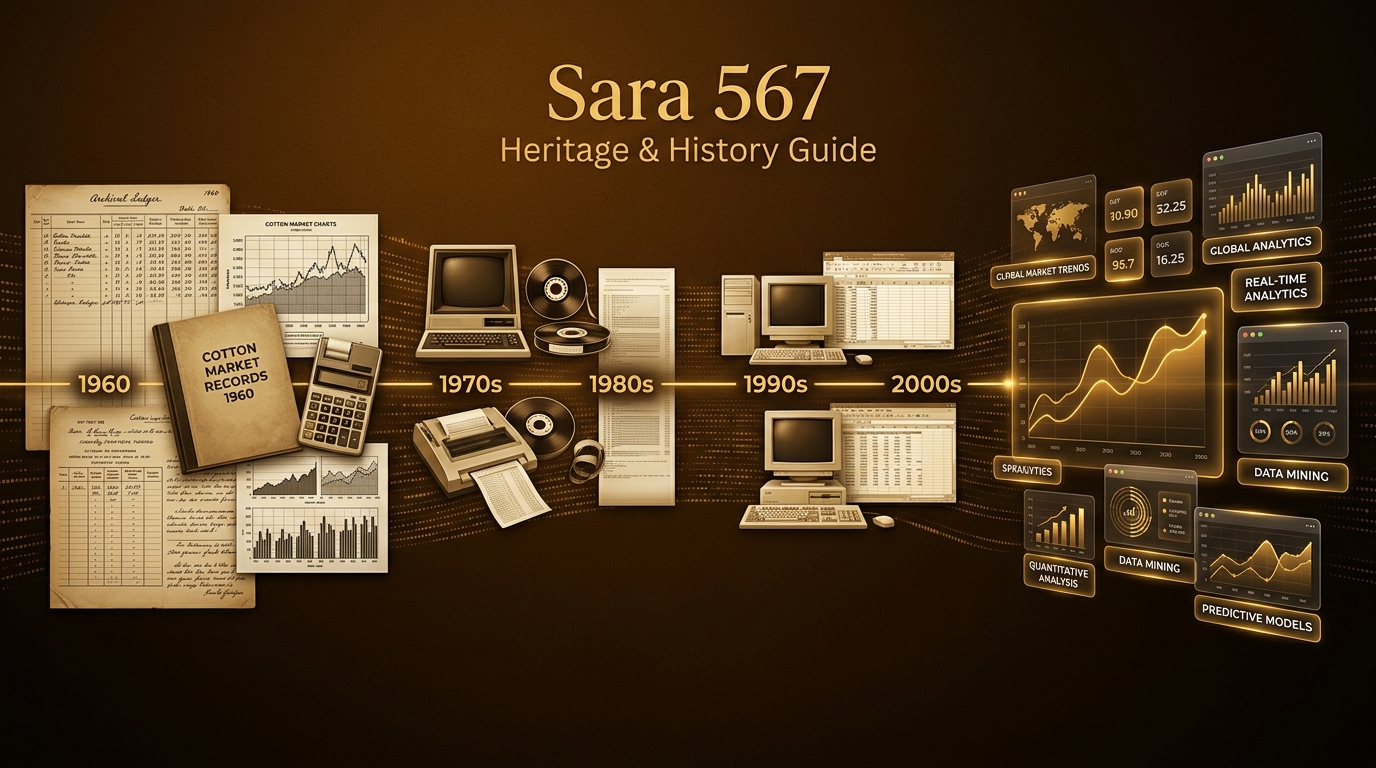
Long before digital dashboards, smartphone applications, and live internet updates existed, Satta Matka was an integral part of Mumbai's bustling commercial fabric. What began as a local numbers game among textile mill workers and commodity traders in the 1960s has evolved across six decades into a structured digital data ecosystem.
Understanding the history of satta matka offers more than just nostalgic trivia. It explains why specific markets operate at certain times, how the unique terminology of Single, Jodi, and Pana originated, and how a physical lottery transformed into the transparent statistical platform we see today on Sara 567.
Following our articles on Matka Basics, Chart Reading, and Mathematical Odds, let us take a journey back in time to examine the fascinating origins and milestones of Satta Matka.
The 1950s Origins: Ankada Jugad and the Cotton Exchange
The true roots of Satta Matka lie in the cotton trade. In the 1950s, Mumbai (then Bombay) was the textile capital of India, with dozens of bustling cotton mills employing hundreds of thousands of workers across neighborhoods like Girangaon and Kalbadevi.
Traders and local workers engaged in a form of speculative betting known as Ankada Jugad (figures gambling). Instead of choosing arbitrary numbers, they wagered on the opening and closing rates of raw cotton transmitted by teleprinter from the New York Cotton Exchange to the Bombay Cotton Exchange.
Every evening, crowds gathered near Kalbadevi to wait for teleprinter cables from New York. When the opening or closing rate was decoded, wagers on the unit digits were settled.
The 1961 Turning Point: Birth of the "Matka"
In 1961, the New York Cotton Exchange introduced regulatory restrictions that banned the transmission of speculative price quotes to overseas exchanges. Overnight, the primary source of numbers vanished.
Faced with an abrupt halt to the popular pastime, local organizers devised a simple, homegrown alternative:
- Rather than waiting for New York cables, they wrote numbers from
0to9on individual paper chits (chithis). - The slips were mixed thoroughly inside a large earthenware clay pot known in Hindi as a Matka.
- A neutral participant, often a young child, was invited to draw slips from the pot in front of assembled witnesses.
This improvised clay vessel forever gave the game its enduring name: Satta Matka.
The Golden Era: Kalyanji Bhagat vs. Ratan Khatri
Two legendary figures shaped the structure, credibility, and widespread popularity of Matka throughout the 1960s and 1970s:
1. Kalyanji Bhagat (The Father of Worli Matka)
A farmer hailing from the Kutch region of Gujarat, Kalyanji Bhagat ran a grocery shop in Worli, Mumbai. In 1962, he pioneered Worli Matka, introducing daily draws from Monday through Saturday.
- Bhagat introduced the revolutionary rule that wagers could be placed as low as one rupee, opening participation to working-class mill hands.
- He based outcomes on cotton opening rates initially, then transitioned to clay pot draws.
2. Ratan Khatri (The "Matka King")
In 1964, Ratan Khatri introduced the New Worli Matka, establishing a nationwide network of bookmakers.
- Khatri introduced stricter draw protocols and replaced paper chits with decks of playing cards. Three playing cards were drawn to determine the three digits of the Pana.
- Under Khatri’s stewardship, the Matka draw was perceived as scrupulously honest, and results were sent via telegram to bookmakers across Gujarat, Rajasthan, Maharashtra, and Madhya Pradesh.
Historical Timeline: From Kalbadevi to Cloud Servers
The trajectory of Satta Matka mirrors the broader technological modernization of India:
| Era | Primary Medium | Key Milestones | Operational Mechanism |
|---|---|---|---|
| 1950s | Teleprinter Cables | Ankada Jugad in Kalbadevi cotton market | New York Cotton Exchange prices |
| 1961–1964 | Earthenware Pot (Matka) | Kalyanji Bhagat founds Worli Matka; Ratan Khatri introduces New Worli | Paper chits drawn from physical clay pot |
| 1970s–1980s | Playing Cards & Telephones | Peak popularity across Mumbai textile belt; Kalyan & Milan established | 3 playing cards drawn; results spread by phone |
| 1990s | Pagers & Fax Registers | Expansion into regional bazars (Rajdhani, Time Bazar, Main Bazar) | Dial-up telephone lines and faxed charts |
| 2000s–2010s | Early Web & SMS | Closure of physical dens; migration to early SMS services and static websites | Early web portals publish daily results |
| 2020s–Present | Real-Time Cloud Apps | Mobile-first portals like Sara 567 with responsive UI, live charts, and apps | Secure digital RNGs, verified API feeds, mobile APKs |
The Digital Transformation: The Rise of Sara 567
As Mumbai's physical textile mills shuttered in the late 1980s and regulatory crackdowns dismantled physical betting dens, Matka could no longer survive as an offline street gathering.
The internet revolutionized the industry. What was once whispered in back alleys became an information-focused digital domain:
- Instant Result Verification: Instead of waiting hours for a telegram or phone call, users today observe live market cards declare open and close results in real time on Sara 567.
- Permanent Chart Archives: Historical registers formerly scribbled in paper notebooks are now meticulously preserved as interactive Jodi Charts and Pana Charts.
- Educational Accessibility: Complex historical conventions are now explained transparently through beginner walkthroughs and our dedicated how to play guide.
- Mobile Convenience: Fast, secure mobile access via our lightweight official Android application.
To learn more about our data philosophy, read our About Us page.
Historical Lessons for Modern Enthusiasts
Looking back at 60 years of Satta Matka history offers important wisdom for contemporary users:
- Formats Evolve, but Math Remains Constant: Whether drawn from a 1962 clay pot, a 1975 deck of playing cards, or a 2026 digital RNG, every draw is an independent mathematical probability.
- Beware of False Nostalgia: Historical charts are records of what happened, not magic crystal balls for tomorrow.
- Practice Strict Moderation: The history of gaming is replete with cautionary tales of individuals who lacked discipline. Treat gaming strictly as casual entertainment, observe responsible play guidelines, and never stake funds beyond your personal leisure limits.
Frequently Asked Questions (FAQs)
1. Where did the name "Matka" originate?
The name comes from the Hindi word for an earthenware clay pot, which was used in the 1960s to draw handwritten number slips after teleprinter cotton rates ceased.
2. Who was known as the "Matka King"?
Ratan Khatri was famously dubbed the "Matka King" for establishing a nationwide network of New Worli Matka draws between the 1960s and 1990s.
3. What was Ankada Jugad?
Ankada Jugad was the 1950s practice of betting on opening and closing digits of cotton rates wired from the New York Cotton Exchange to the Bombay Cotton Exchange.
4. Why did playing cards replace paper slips?
In 1964, Ratan Khatri introduced drawing three cards from a 52-card deck to increase public transparency and eliminate suspicions of rigged paper chits.
5. How has Satta Matka changed in the 21st century?
Physical operations have completely transitioned to online information hubs. Portals like Sara 567 provide real-time verified results, digital chart archives, and educational guides for users across mobile devices.
6. Where can I view historical market charts today?
You can explore comprehensive historical archives for Kalyan, Milan, Rajdhani, Time Bazar, and Main Bazar on the Sara 567 Charts page.
Explore our previous educational guides: read the Beginner's Guide, master Chart Reading, or dive into Odds & Probability.